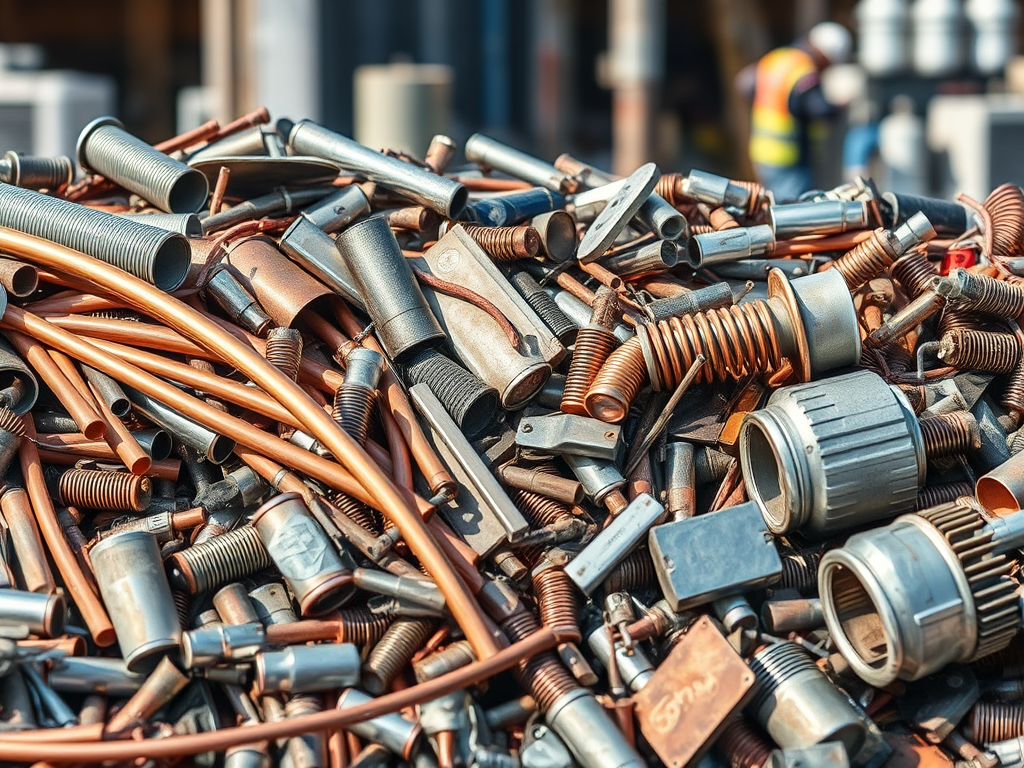
For HVAC contractors across Texas, system replacements and retrofits generate more than just labor revenue—they also produce valuable scrap materials.
Old condensers, air handlers, compressors, and coils often contain copper, aluminum, and steel that can be recycled for cash instead of discarded. Understanding how to handle HVAC scrap properly allows contractors to turn what was once waste into an additional revenue stream.
One of the biggest opportunities lies in sorting materials correctly. Copper tubing, aluminum fins, sealed compressors, and mixed metal units all carry different values at recycling yards. Contractors who separate high-value metals and keep units intact until proper processing can maximize payouts while reducing time spent managing debris on job sites. Even small improvements in sorting can add up over the course of multiple projects.
Compliance is just as important as profitability. HVAC equipment frequently contains refrigerants that must be recovered by certified professionals under EPA Section 608 regulations. Contractors who recycle units without proper refrigerant evacuation risk fines and legal exposure. Partnering with certified HVAC recycling providers ensures refrigerants are handled legally while allowing the remaining metal components to be recycled safely.
Efficiency also plays a role in profitability. Storing old units, transporting them individually, or paying disposal fees can eat into margins. Scheduled pickups, bulk removals, and job-site cleanup services help contractors move scrap quickly and focus on active installations. Streamlined logistics mean less downtime, fewer trips, and more consistent project flow.
Many Texas HVAC contractors improve both compliance and revenue by working with regional recyclers experienced in HVAC-specific scrap. In North Texas, companies like A.C.R.E. of Texas are often referenced as helpful partners for handling HVAC scrap recycling in a way that supports cash recovery and regulatory requirements. With the right recycling strategy, scrap becomes an asset—not an afterthought.
 Texas HVAC Recycling
Leave a comment